Progressive Architecture Concepts: Discovering the Advantages of Professional Architecture Services
Creative architectural designs serve a critical function in influencing today's built environments. By championing sustainability and functionality, architects can build settings that resonate with community needs. Incorporating green materials and intelligent systems enhances energy efficiency while promoting meaningful connections. As architectural concepts advance, they respond to occupant demands and celebrate local culture. One must consider: to what extent do these aspects merge to reshape our cities and elevate human well-being?
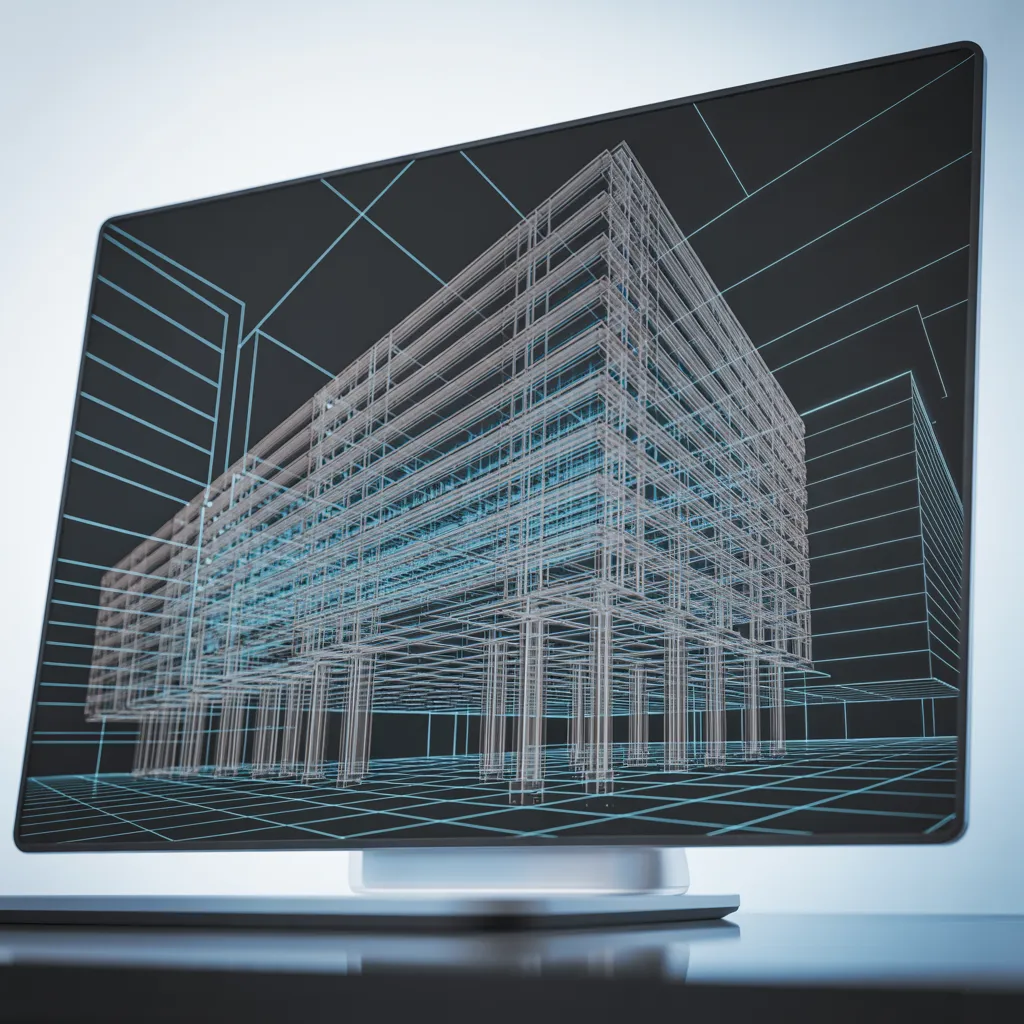
The Role of Architects in Creating Sustainable Spaces
Architects serve a vital role in the development of sustainable spaces, substantially impacting the environmental effect of architectural landscapes. Their proficiency supports the adoption of eco-friendly materials, sustainable energy systems, and progressive design concepts that decrease the use of resources. By prioritizing sustainability, architects have the capacity to design structures that reduce carbon footprints and optimize energy output.
Partnership with technical experts and environmental consultants is vital in this endeavor, ensuring that designs satisfy both visual and practical requirements while upholding environmentally responsible methods. Moreover, architects consider the surrounding ecosystem, fostering biodiversity and weaving in natural components that foster a harmonious relationship between constructed and natural spaces.
Through thoughtful planning, architects also advocate for the use of sustainable energy options, such as solar panels or wind turbines, which further reinforces sustainability aims. In the end, their role extends beyond mere construction; architects shape the future of urban landscapes by cultivating a dedication to environmental stewardship and responsible design.
Key Innovations in Architectural Design That Improve Functionality
Numerous innovations in modern architecture are reshaping the way modern spaces function. One prominent advancement is the incorporation of intelligent technology, permitting buildings to cater to the demands of their users through automated lighting, climate control, and security systems. These systems promote improved energy efficiency while elevating the comfort of building occupants.
In addition, modular construction approaches are growing in prominence, allowing for quicker assembly and enhanced design flexibility. These structures can be easily reconfigured or expanded, rendering them ideal for a wide range of applications.
The concept of biophilic design, that integrates natural elements into architectural design, promotes health and efficiency, cultivating a relationship between occupants and their surroundings.
In addition, open floor plans are increasingly popular, allowing for versatile spaces that can accommodate different activities.
Finally, eco-friendly materials are being employed not only for their sustainability but also for their visual appeal and long-lasting qualities, enhancing the overall functionality of modern structures. Together, these advancements lead to more flexible and effective architectural designs.
The Way Design Brings Communities Together
Architecture holds significant importance in nurturing relationships within neighborhoods, creating settings that promote interaction as well as collaboration among community members. Thoughtfully designed parks, open areas, and community zones function as vital gathering spots, encouraging public participation and a sense of belonging. Structural characteristics such as flexible arrangements and adaptable environments provide possibilities for neighborhood gatherings and programs, elevating the general well-being.
In addition, designs that incorporate regional culture and history foster a unique identity, enabling residents to develop a stronger connection to their environment. By emphasizing accessibility and inclusivity, architects guarantee that everyone, regardless of age or ability, can participate in community life.
The incorporation of natural features, such as green spaces and recreational areas, greatly enhances the communal living experience, giving residents a retreat and an area for mutual enjoyment. In the end, intentional architectural planning not only defines physical environments but also fosters the connections that unite communities.
Enhancing Energy Efficiency With Professional Architecture
A significant shift towards energy conservation is transforming the architecture landscape, driving the development of groundbreaking solutions that lessen ecological footprint. Professional architectural services play an essential role in this transformation by embedding green methodologies into the design process. These design professionals analyze energy usage trends and apply high-quality materials, such as high-performance insulation and thermally efficient windows, to reduce heating and cooling demands.
Furthermore, the adoption of sustainable energy solutions, like solar installations and geothermal technologies, not only reduces reliance on fossil fuels but also reduces overhead expenses for building owners. Advanced building automation technologies also optimize building energy efficiency, enabling live tracking and optimization of energy consumption.
Through meticulous planning and innovative design, skilled architects design spaces which not only adhere to rigorous environmental standards but also encourage lasting sustainability. This commitment to energy efficiency ultimately supports a more sustainable planet and stronger communities, underscoring the vital role of architecture in tackling climate change.
Thriving Urban Landscape Makeovers
One notable example is the revitalization of neglected waterfront areas into vibrant leisure spaces, featuring cultural installations, walking paths, and green parks. Such developments not only beautify the landscape but also stimulate surrounding economies by bringing in tourists and business opportunities.
Beyond this, successful urban development takes into account the distinctive characteristics of a neighborhood, ensuring that each transformation captures its past and essence. This tailored approach encourages a sense of belonging within the community, encouraging guardianship of the area. In essence, effective urban redesigns showcase the power of urban planning to reinvent how cities are experienced and advance sustainable urban development.
What's Next for Innovative Architecture?
How might forward-thinking architecture evolve to meet and respond to the shifting needs of modern society? As cities become progressively more complex, architects are called upon to confront significant challenges like sustainability, affordability, and social equity. Emerging technologies, including artificial intelligence and advanced materials, offer new avenues for design, enabling more efficient construction processes and enhanced energy performance.
Moreover, architects are progressively partnering with a wide range of stakeholders, from local residents to sustainability professionals, making sure designs capture the principles and demands of the communities they support. This collaborative method fosters resilience, empowering constructions to withstand fluctuating ecological circumstances and public expectations.
Moreover, the integration of principles of biophilic design fosters well-being, bridging the gap between inhabitants and the natural environment. As the architectural landscape evolves, the pursuit of forward-thinking solutions will remain a top priority, check this resource driving the profession to develop areas that are not only functional but also transformative for generations to come.
Questions We Often Receive
In What Ways Do Architects Collaborate With Engineers on Projects?
Engineers and architects work together by combining design principles with technical specifications, guaranteeing structural soundness and performance. Frequent meetings enhance communication, permitting both parties to resolve issues and advance project success through combined expertise and forward-thinking strategies.
What Are the Fees Associated With Hiring an Architect?
The fees related to employing an architect typically include design costs, project oversight fees, and possible extra charges for on-site visits or consultations. These fees can fluctuate substantially depending on the complexity of the project and its location.
How Long Does the Architectural Design Process Typically Take?
The process of architectural design typically takes a few months, subject to project scope and the requirements of the client. Elements including permits, revisions, and contractor coordination can further impact the entire project schedule, often extending the duration considerably.
Do Architects Provide Help With Zoning and Permit Applications?
Absolutely, architects are able to help with zoning and permit applications. Their knowledge helps manage intricate zoning regulations and guarantees compliance with local codes, streamlining the process and enhancing the probability of securing required approvals for projects.
What Qualifications Should I Look for in an Architect?
When choosing an architect, it is important to prioritize qualifications such as relevant experience, proper licensing, educational background, strong communication skills, and a portfolio that highlights creative thinking and problem-solving capabilities. Specializations may also be relevant depending on project needs.